






























































































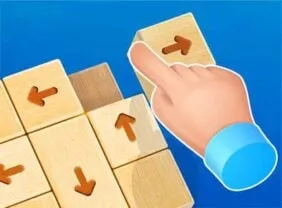



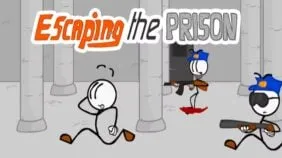




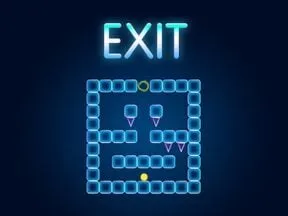










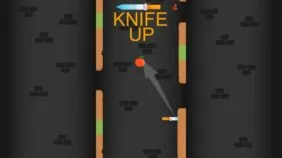



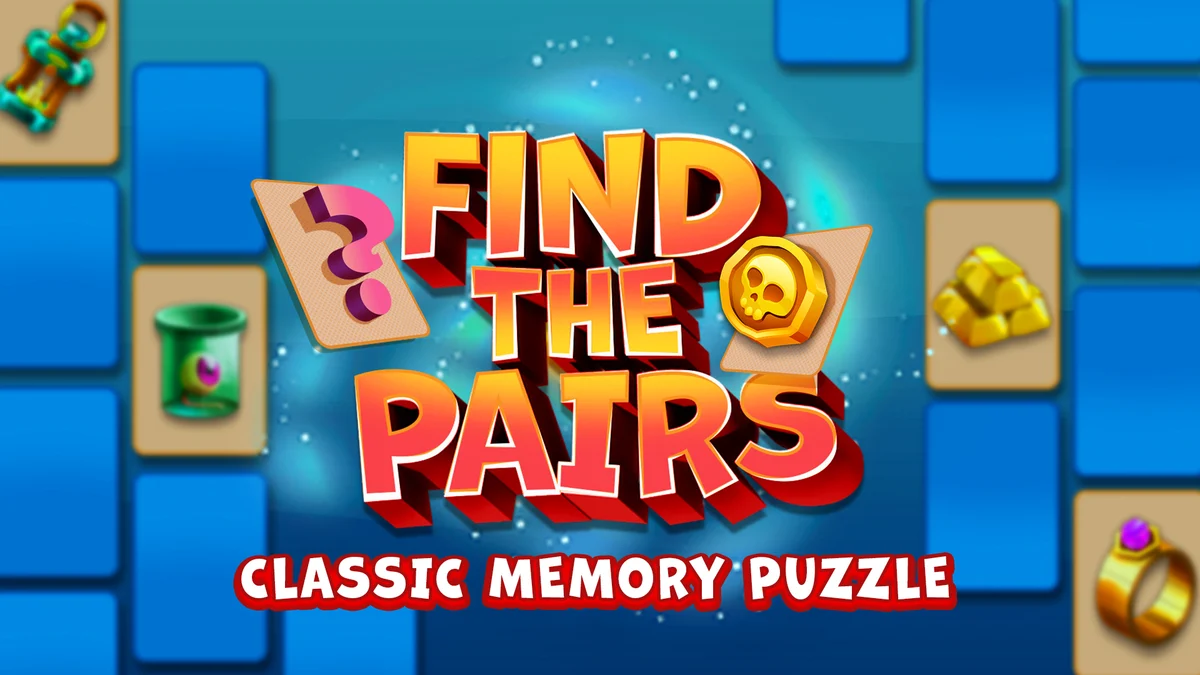








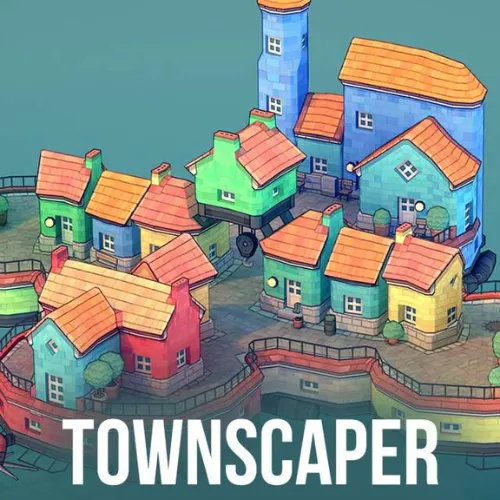







































































































Casual games are useful because they do not require a long learning curve and fit into almost any free moment. They are easy to start, the rules usually become clear within the first few minutes, and a round rarely takes much time. In these games, the point is not to rush, but to settle into the rhythm: understand the task, make a simple decision, and move on to the next step. A good casual game does not tire the player, but it is not completely passive either; it holds attention, gives a small goal, and lets the result feel visible almost immediately.
When choosing a game from this category, it is worth considering your mood and available time. Simple puzzles, matching games, card games, or classic mechanics are good for calm relaxation. If you want a more active pace, short arcade games and tasks based on reaction or precision may be more appealing. Beginners are better off starting with games that do not punish mistakes too harshly and introduce the rules gradually. Experienced players may prefer games that look simple but require attention and practice to improve the score. The strength of casual games is that they adapt to the situation: they work for a break of a few minutes as well as for a relaxed evening session.