
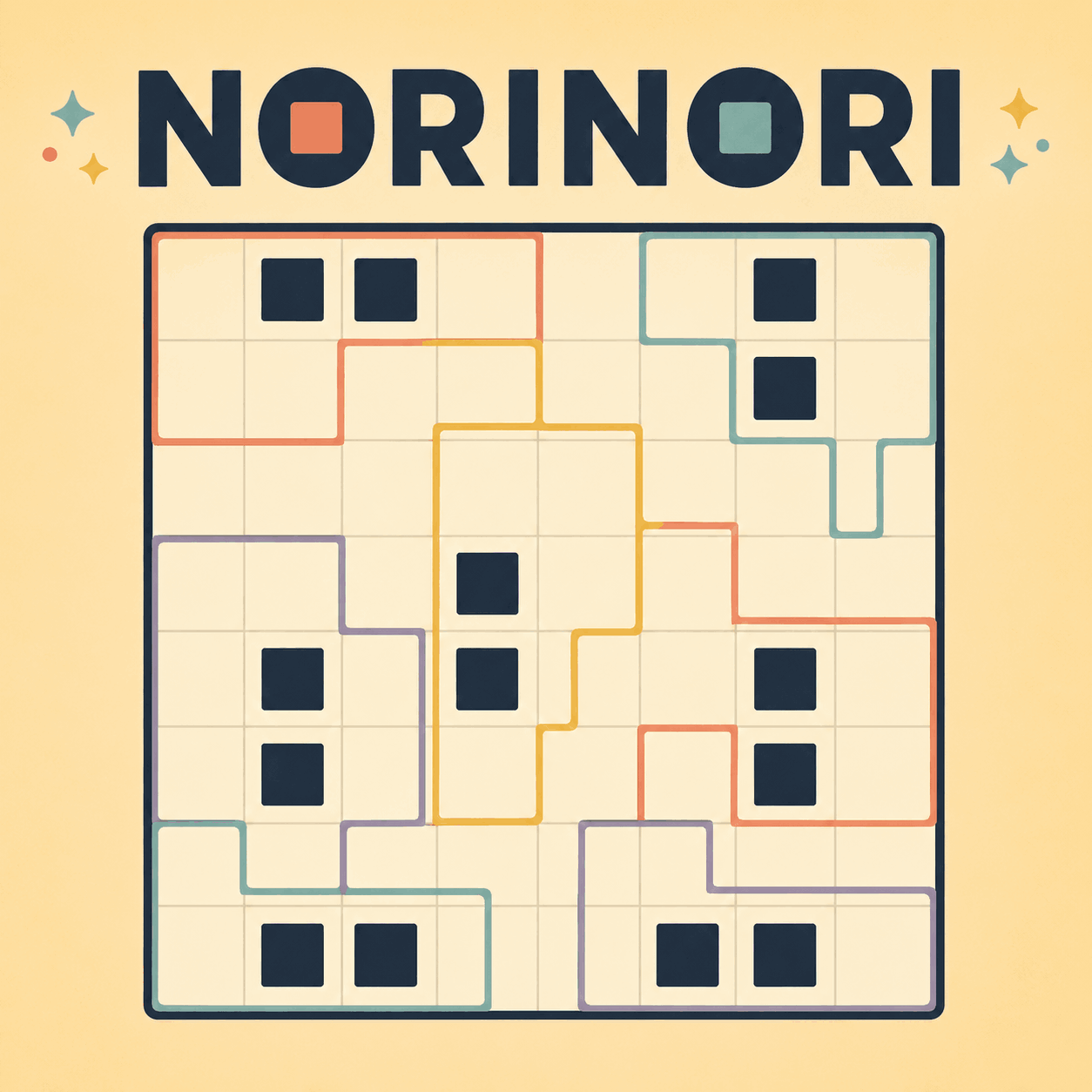
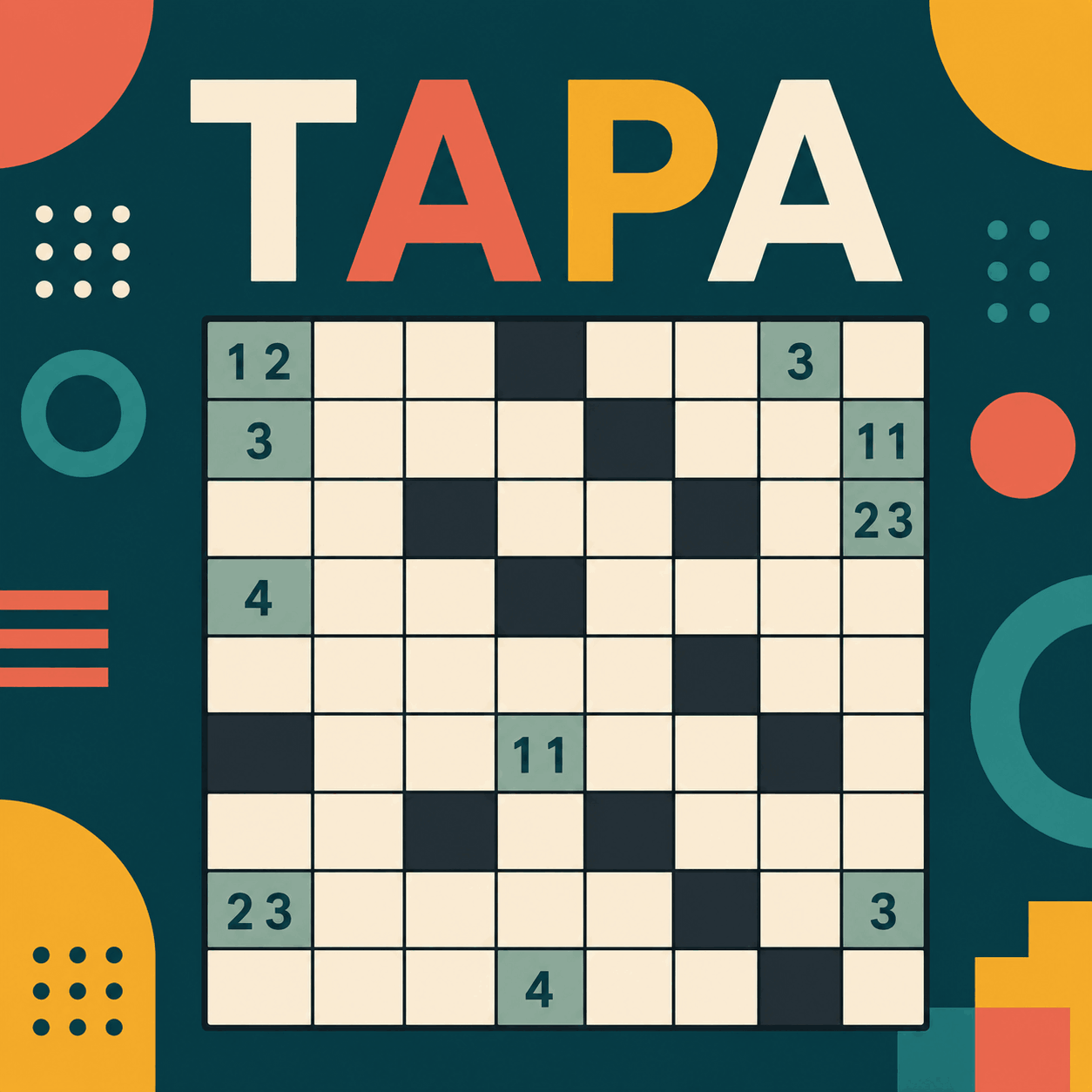



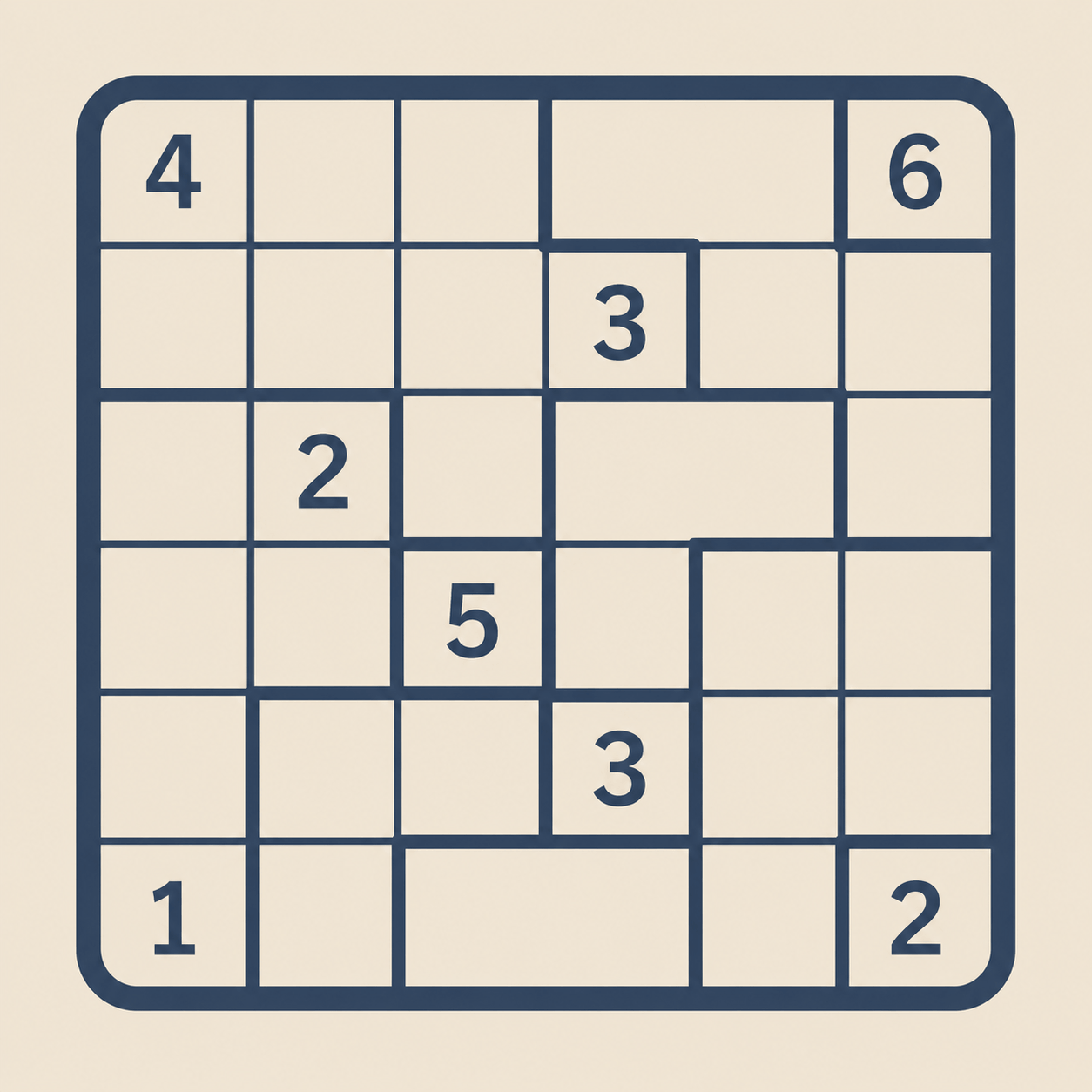




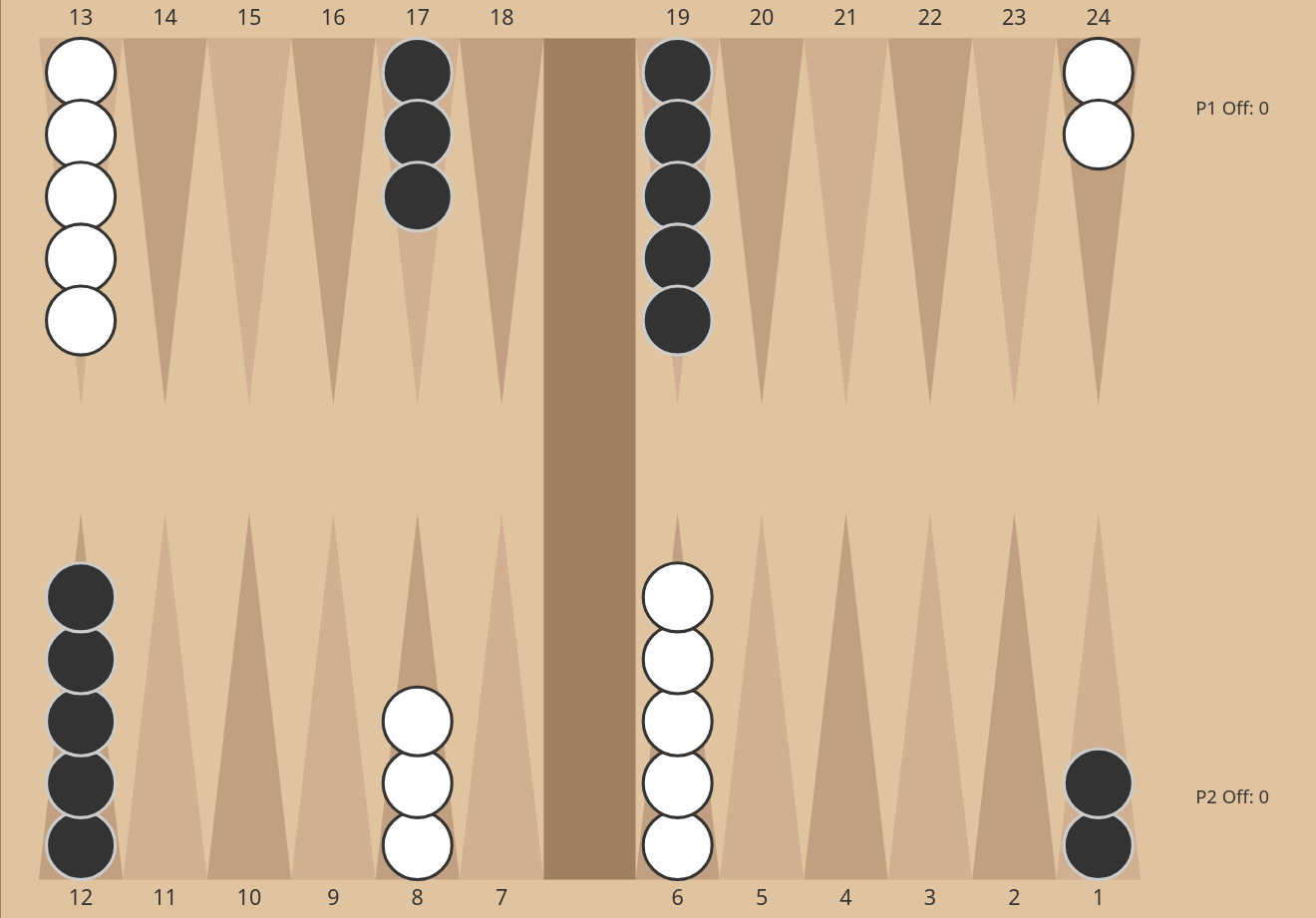







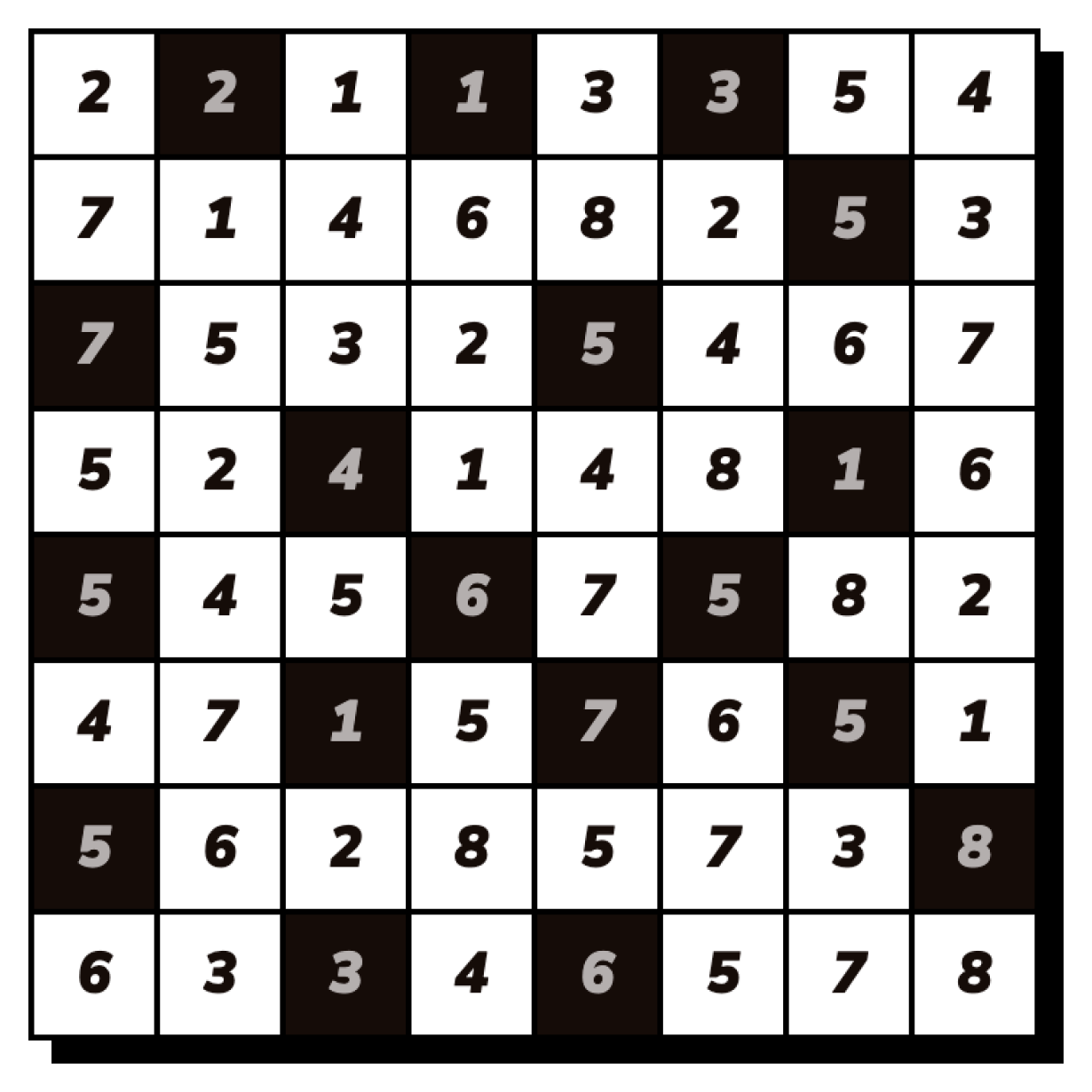


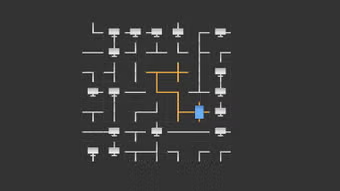



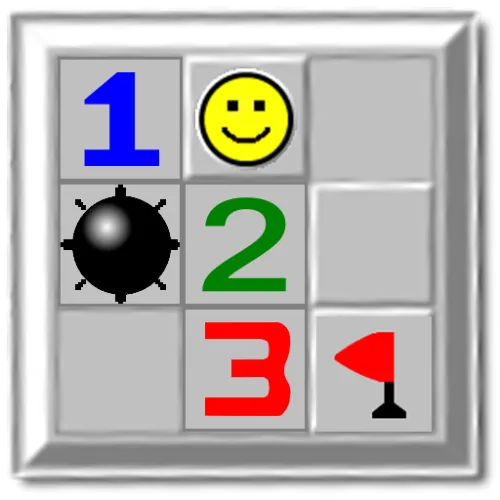


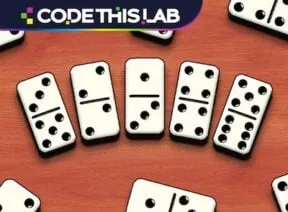
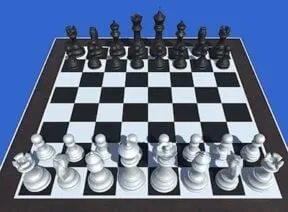
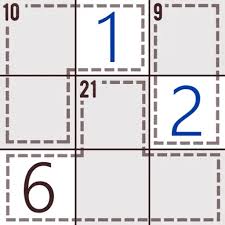











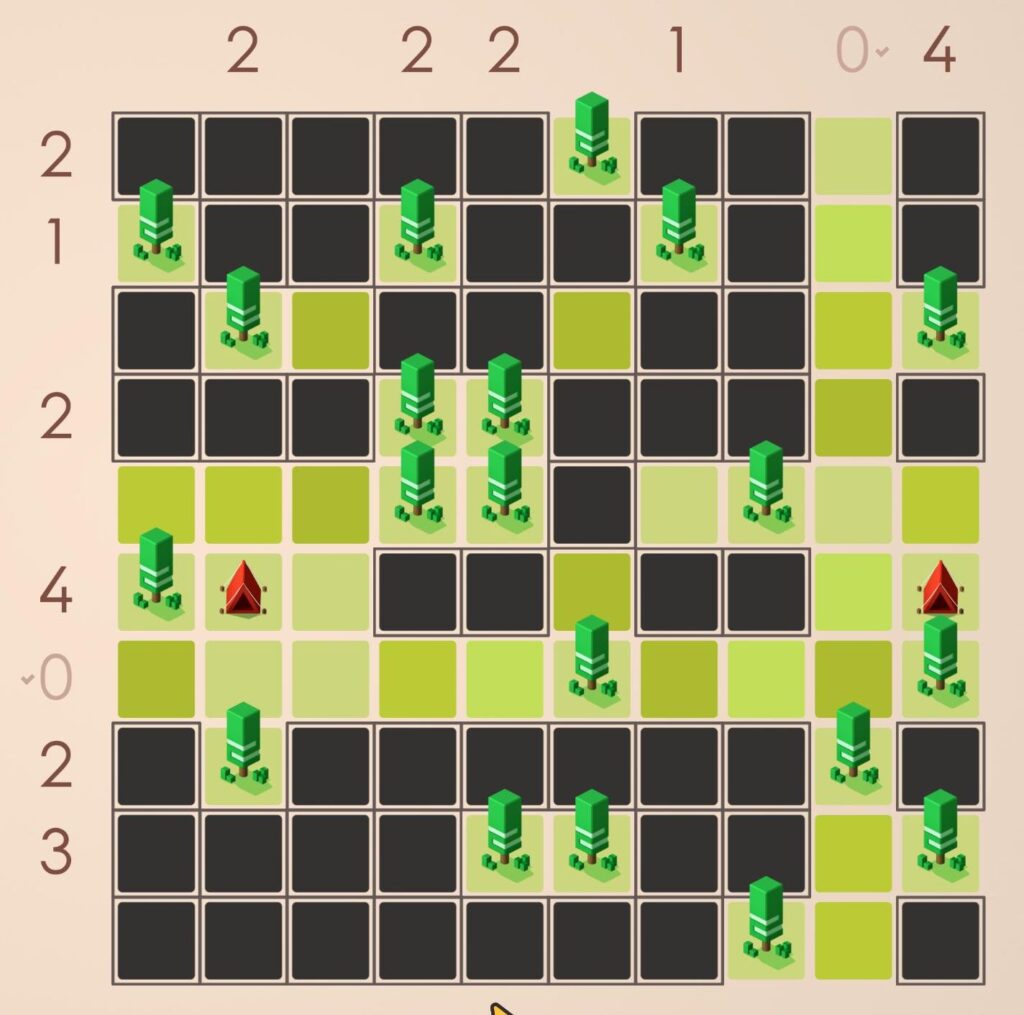





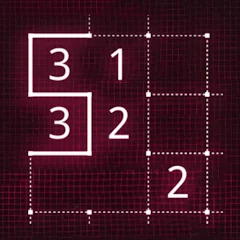


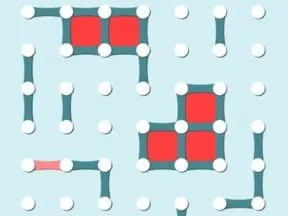
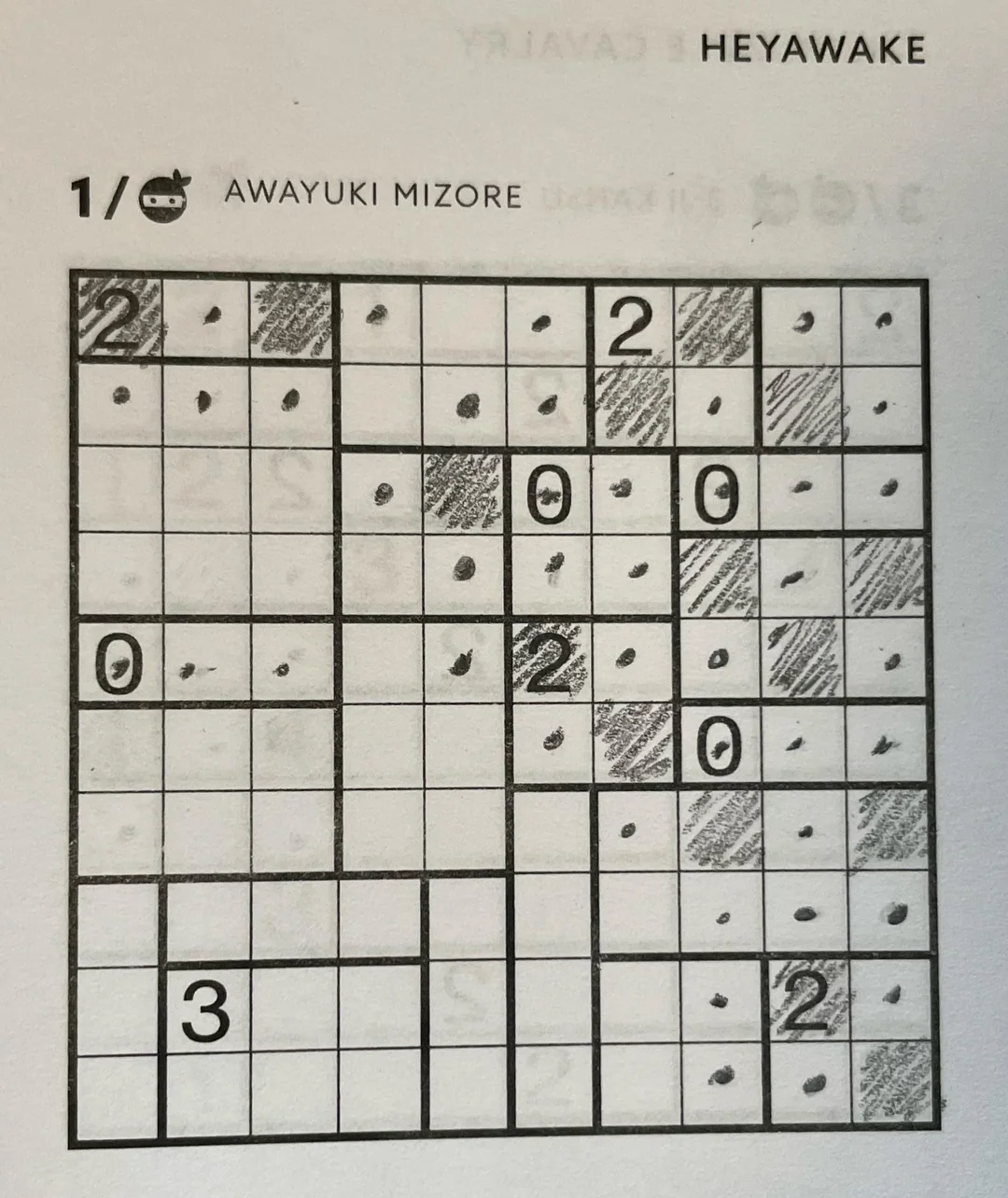










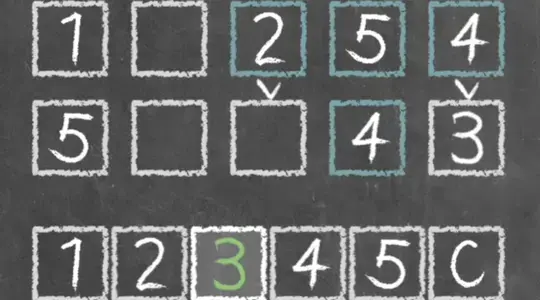
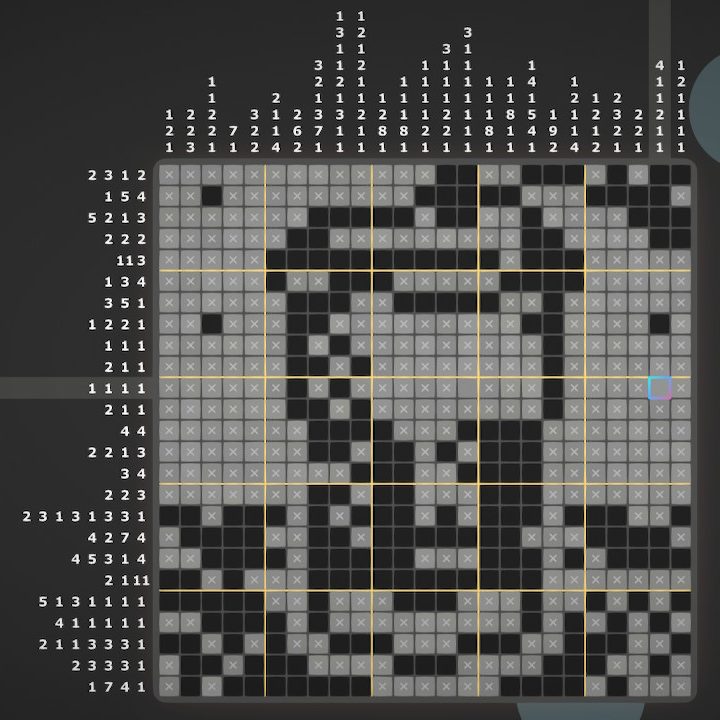

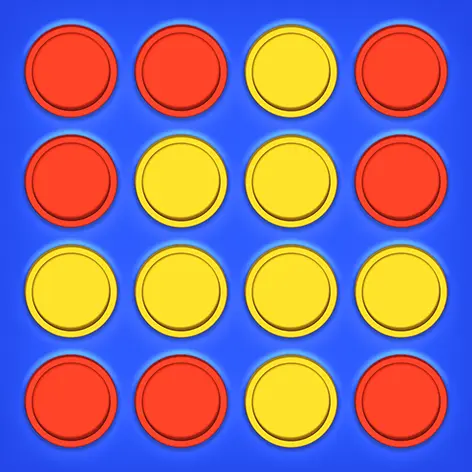



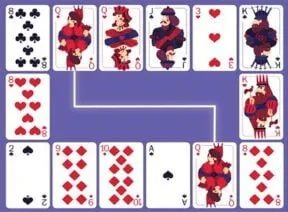
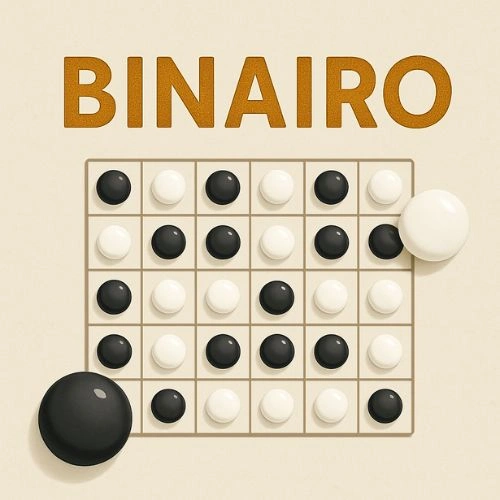




























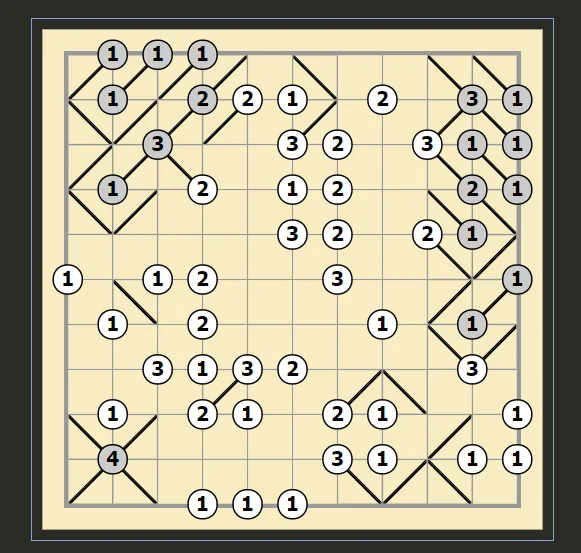















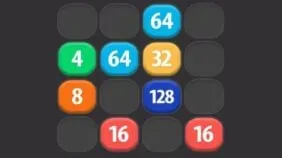

Puzzle games are useful because they offer a calm but noticeable challenge: you need to look for connections, test assumptions, and move gradually toward a solution. They usually do not rush the player, so you can pause, view the problem from another angle, and return to a difficult spot later. A good puzzle does not ask you to guess blindly: it encourages you to notice patterns, rule out impossible options, and build the solution step by step. That is why these games work well both for a short break and for a more focused session.
When choosing a game from this category, it helps to think about what kind of thinking you want to use. Some puzzles train logic and attention, while others rely on spatial imagination, memory, or the ability to plan several moves ahead. Beginners are better off starting with rules that become clear in the first few minutes, then gradually moving on to more complex tasks. Experienced players usually prefer games without unnecessary hints, where every decision needs to be checked. Puzzle games are useful because they do not require haste: the more calmly the player analyzes the board, the more often a clean and understandable solution appears.