





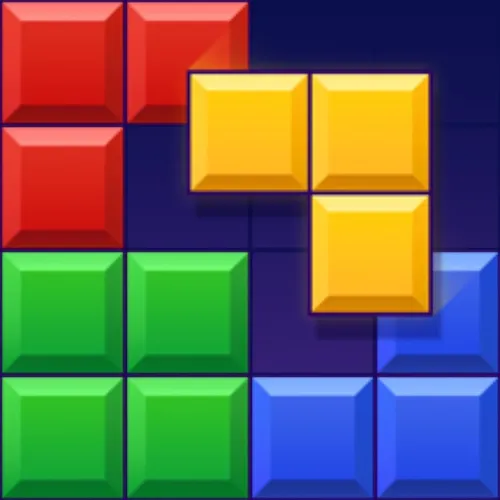
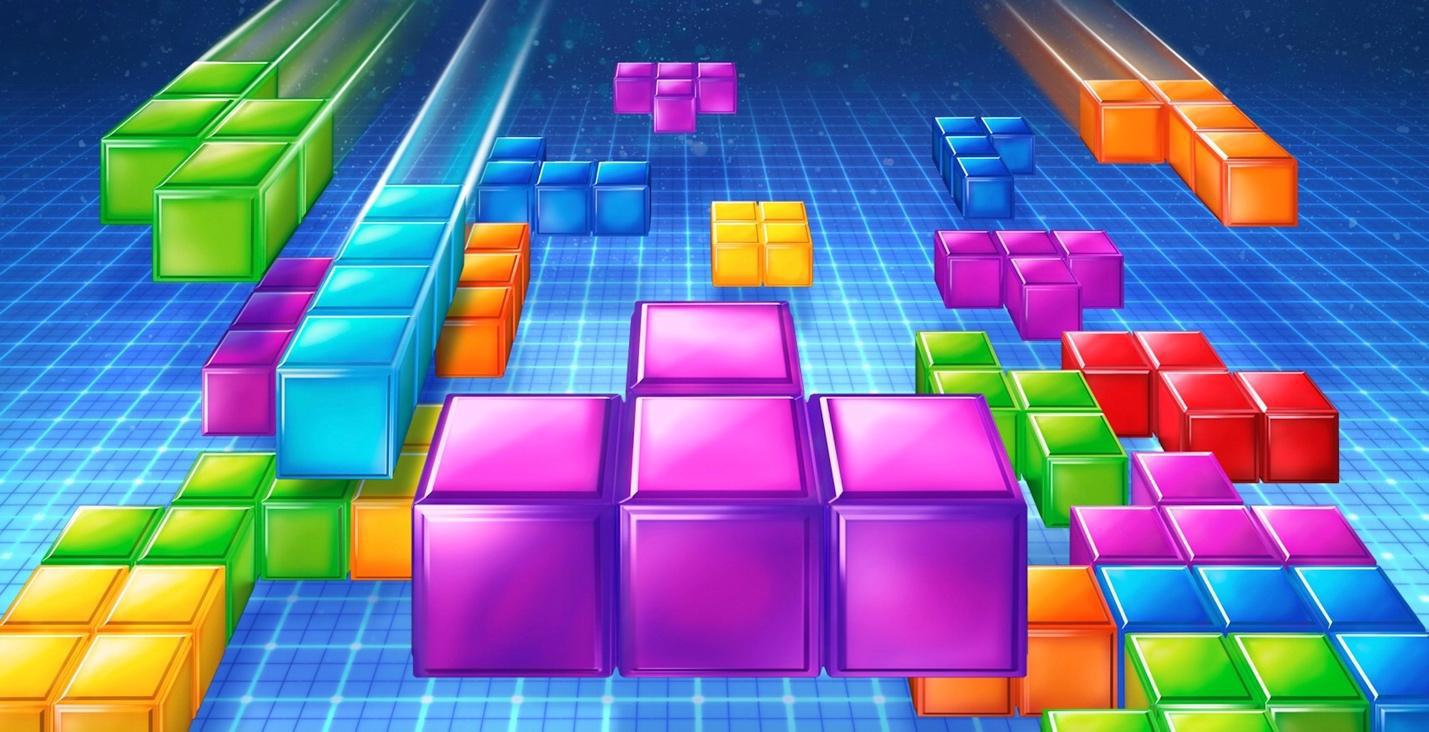
Block games are a good fit for players who enjoy working with simple shapes, keeping the board organized, and seeing how the position changes after each move. The main goal is to place blocks, complete lines or areas, control empty spaces, and leave room for the next pieces. At first, these games may look very simple, but a good result rarely comes from rushing. One poor placement can make the whole board tight, while a well-chosen spot can open several useful moves.
When choosing a game in this category, it helps to look at the pace, the board size, and how new blocks are given. Simple versions are good for a short break: the rules are easy to understand, and every good placement has an immediate effect. In more complex games, it becomes important to think about the next pieces, avoid closing corners, and keep larger open spaces available. Beginners usually feel more comfortable with games that do not punish mistakes too harshly and help them learn to read the board. Experienced players may prefer tighter boards, harder shapes, and versions that require more planning.