
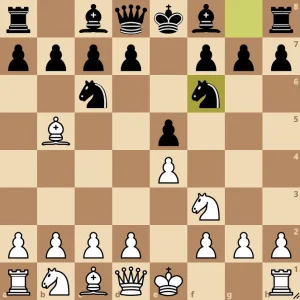

Chess games are a good fit for players who enjoy calm thinking and seeing the consequences of each decision. The main point is not just to move pieces, but to build a position, understand the opponent’s plan, and think several moves ahead. Even in a short game, attention matters: pieces should not be left undefended, the center needs to be watched, king safety is important, and unnecessary exchanges should not be rushed. Chess does not reward haste, but it does not always require very long thinking either; what matters is seeing the position clearly and understanding why the next move is being made.
When choosing a game in this category, it helps to consider your experience level and the kind of match you want. Beginners usually benefit from simple controls, a clear board, and modes that make mistakes easier to notice without pressure. Experienced players may prefer time controls, different difficulty levels, and the option to play against the computer or a real opponent. Chess develops memory, attention, and planning well, but it works best with a calm approach: first check for threats, then look for opportunities, and only after that make the move.