


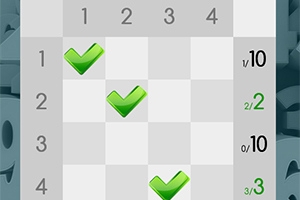



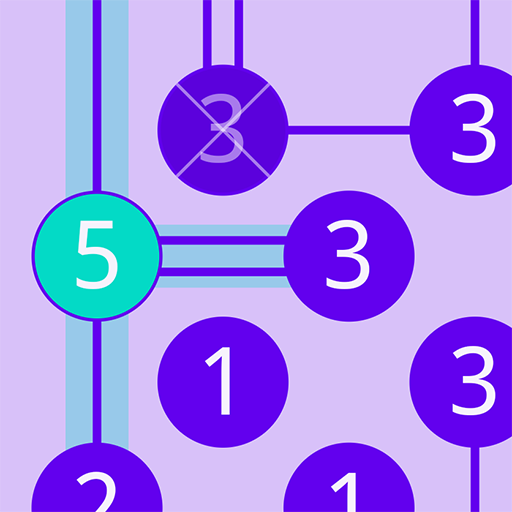
















































































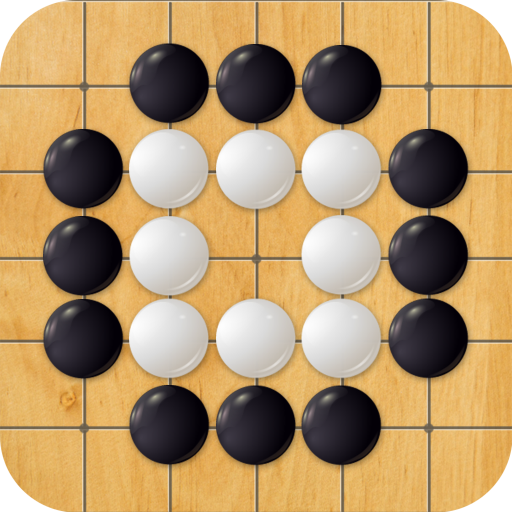



























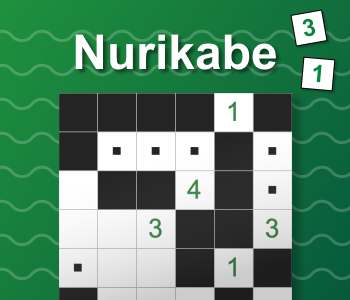










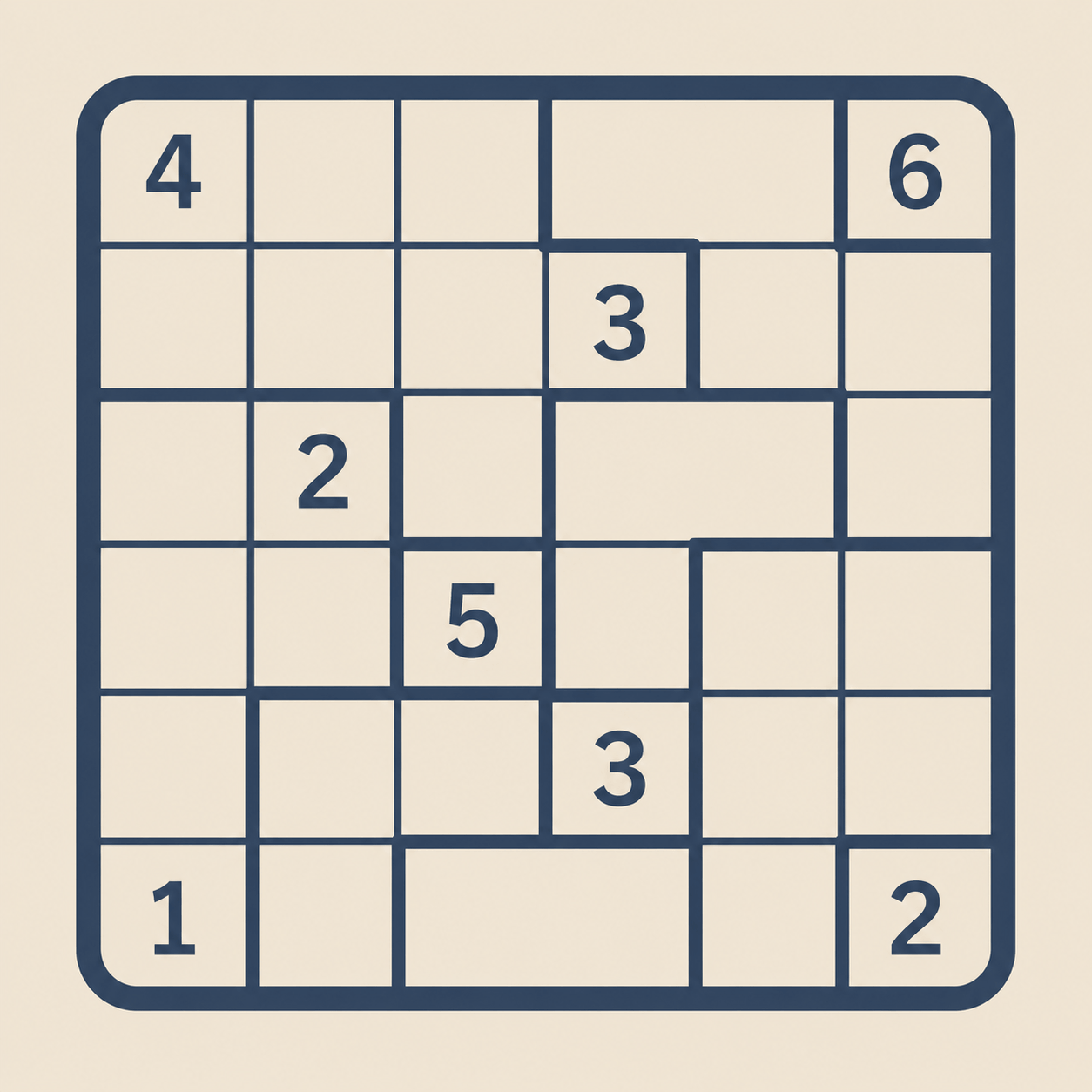


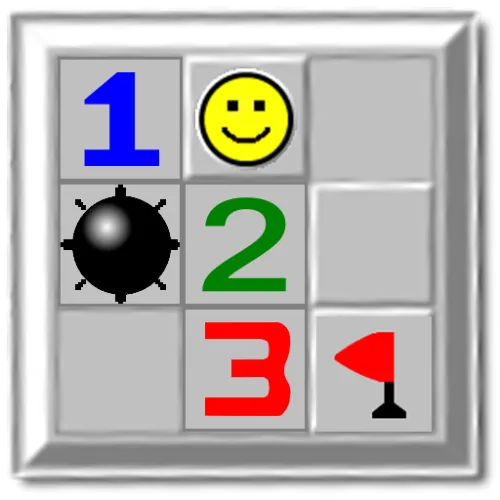














































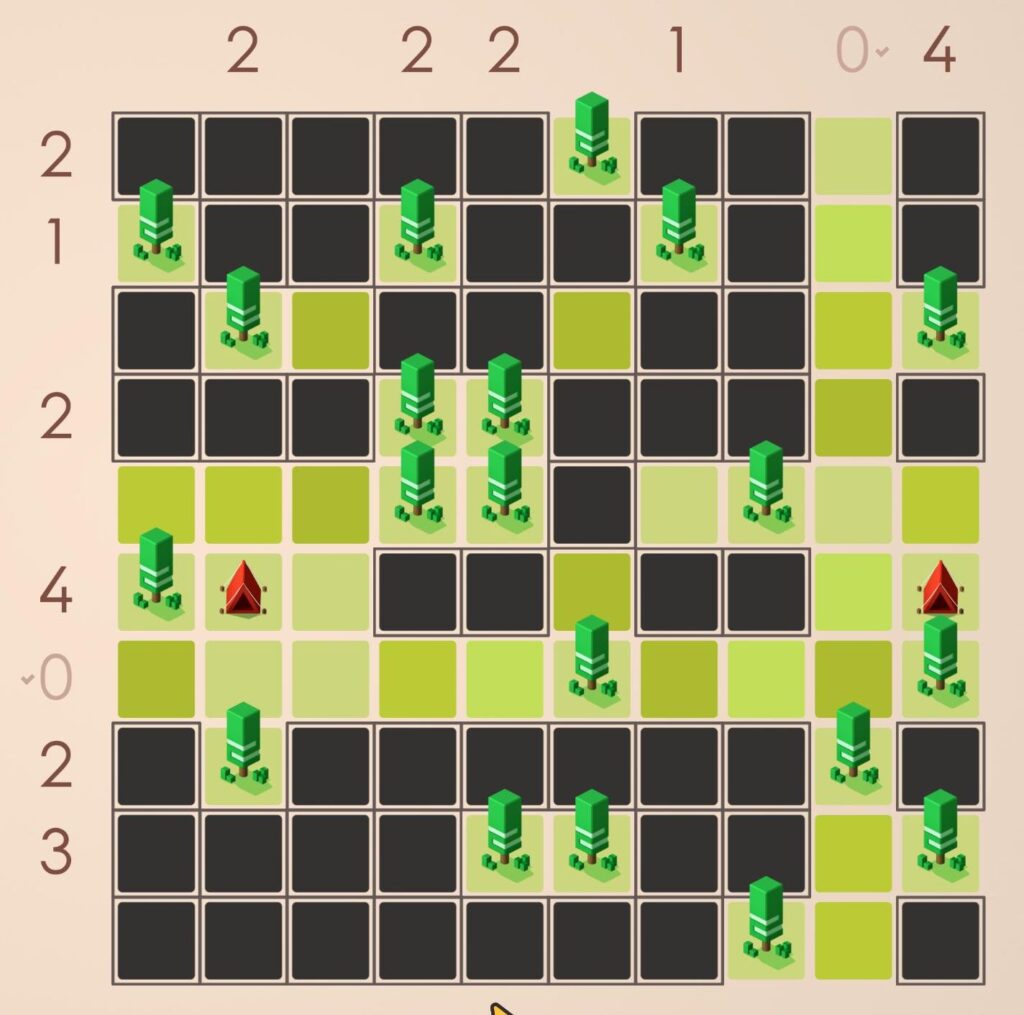
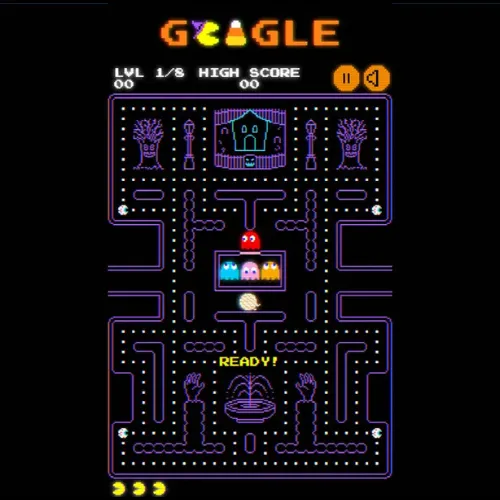











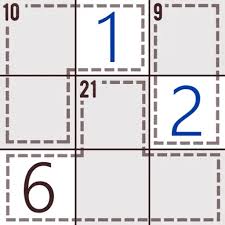



























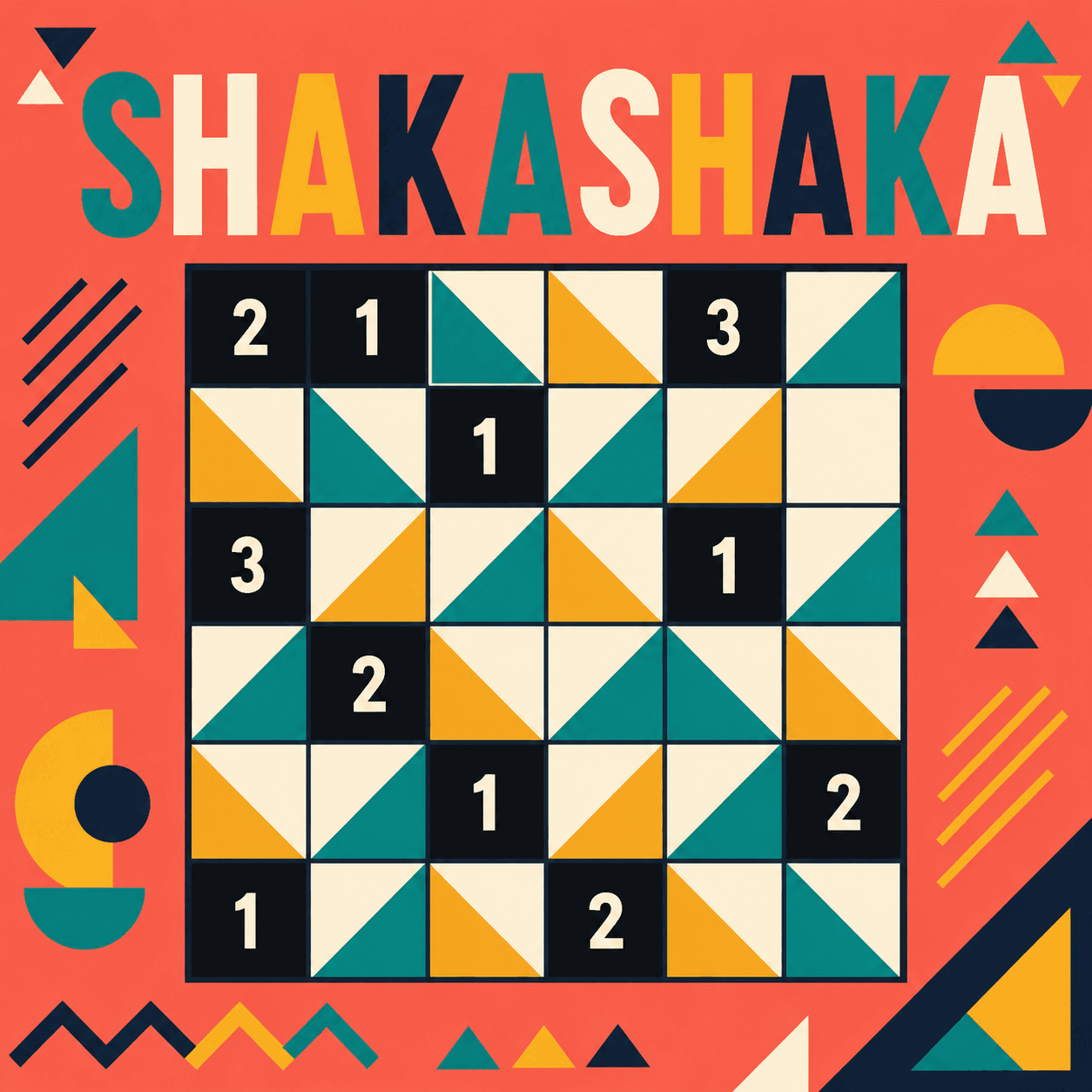









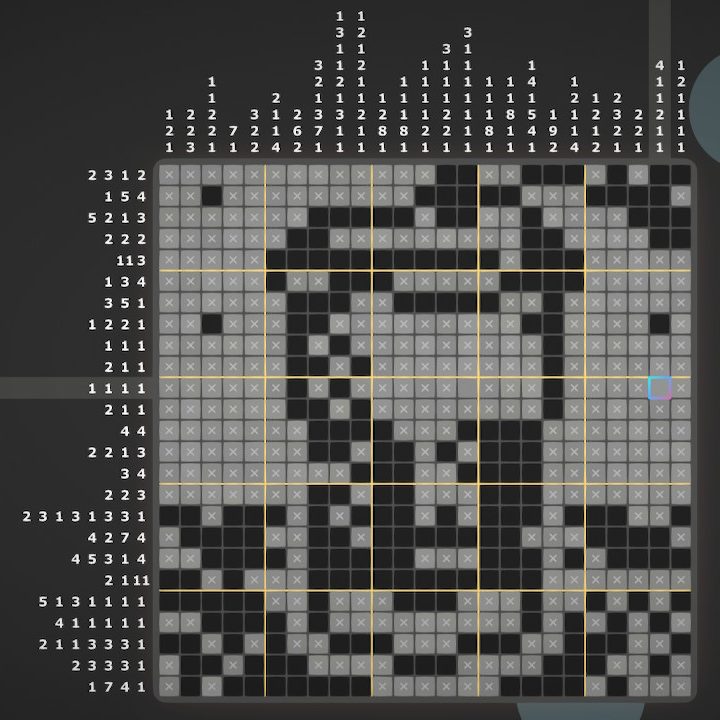






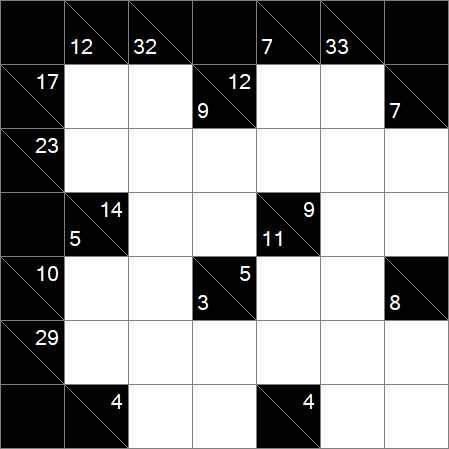
























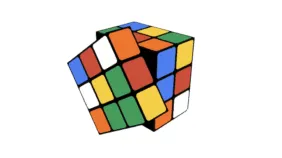




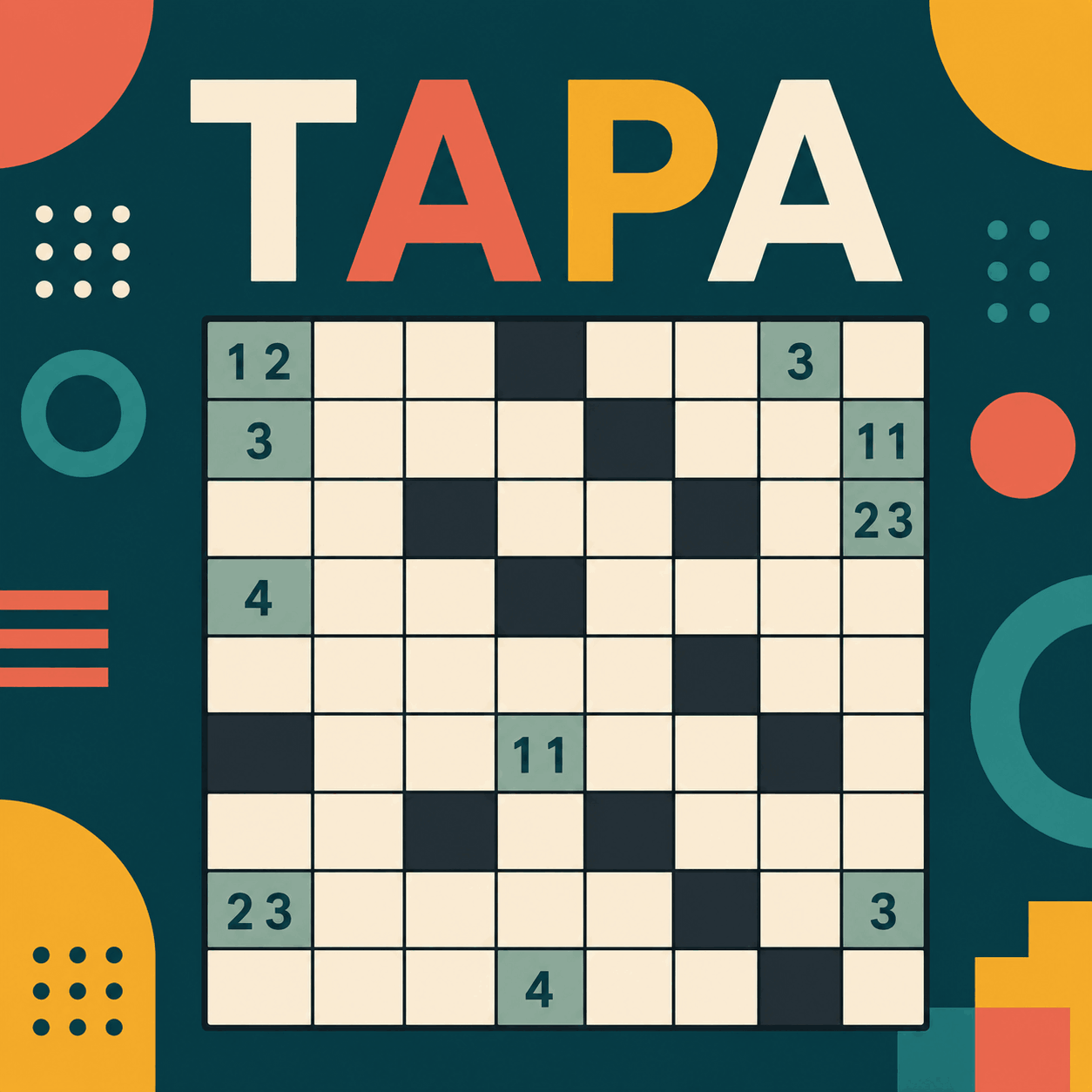














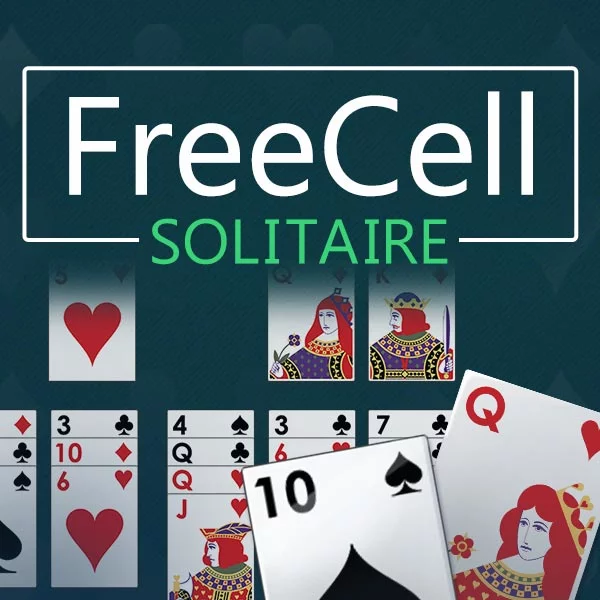





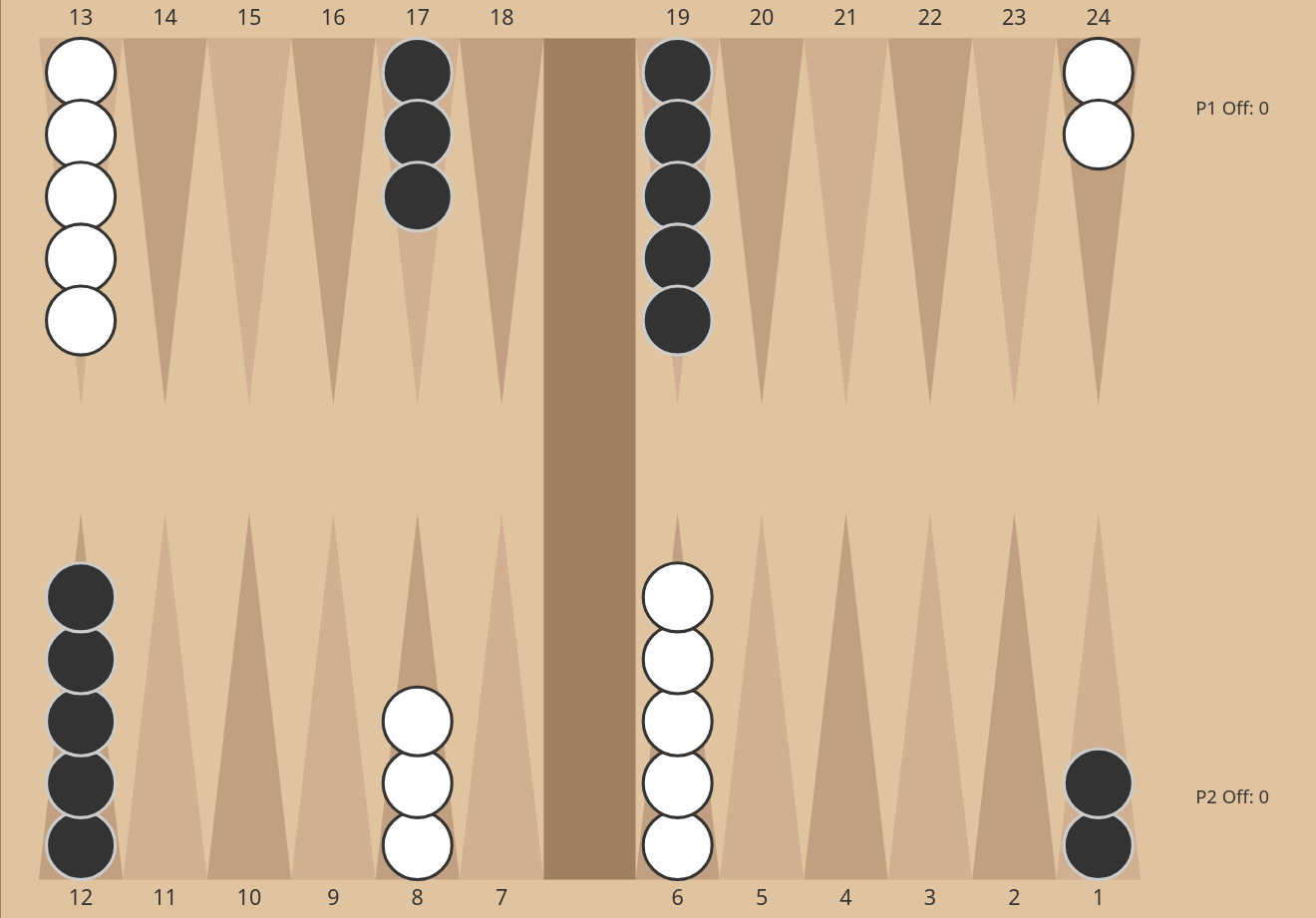
































































































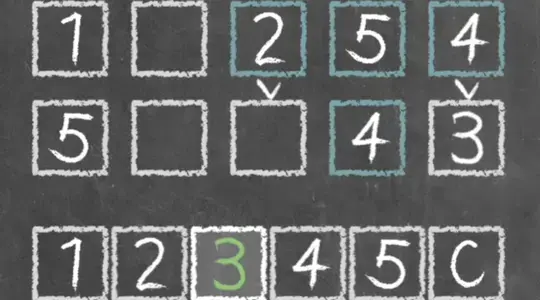














Logic games are built around attention, consistency, and the ability to draw conclusions. The goal is not to act at random, but to understand the rule, compare conditions, and see which step will open the next options. In some games you fill cells, place objects correctly, or build a route, while in others you use clues to find a hidden solution. A good logic game does not push the player to rush; it encourages observation, testing assumptions, and noticing mistakes in time.
When choosing a game in this category, it helps to look at how clear the rules are, how gradually the difficulty increases, and how mistakes are shown. Calm games are good for thinking, comparing options, and building the solution step by step. More dynamic versions may include time limits, a limited number of moves, scoring systems, and consecutive levels. Beginners usually feel more comfortable with short tasks, simple rules, and visible hints. Experienced players may prefer games that require tracking several conditions at once, stopping a wrong path in time, and reaching the solution through a logical sequence.