




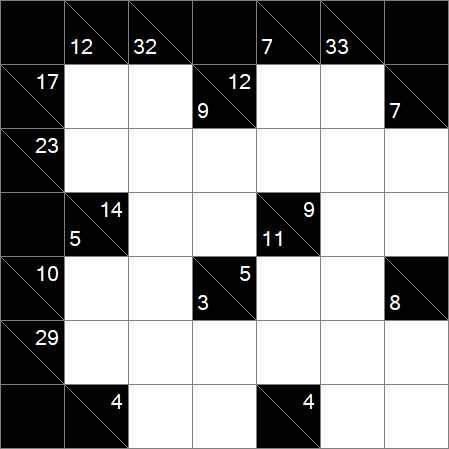
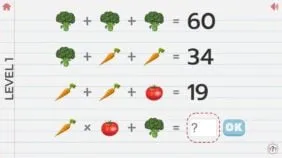







Math games are built around attention, logic, and confidence with numbers. The goal is not only to calculate quickly, but also to understand how the task is structured: which operation to choose, which information is unnecessary, and how to check the answer. Some games are good for simple arithmetic, multiplication tables, and comparing numbers, while others use sequences, shapes, measurements, probability, or logical conclusions. A good math game does not just make the player memorize an answer; it teaches them to see the pattern and find the mistake.
When choosing a game in this category, it helps to look at how clear the tasks are, how the difficulty increases, and whether there is an explanation after the answer. Calm games are good for practicing a new topic, checking calculations without rushing, and reinforcing a rule. More dynamic versions may include time limits, question streaks, points, bonuses, and limits on mistakes. Beginners usually feel more comfortable with small numbers, clear examples, and short tasks. Experienced players may prefer multi-step calculations, hidden patterns, and tasks where the answer is hard to find without the right strategy.