












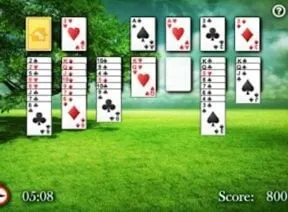
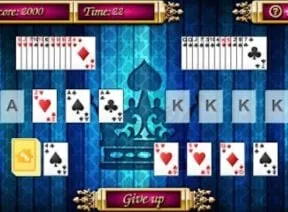
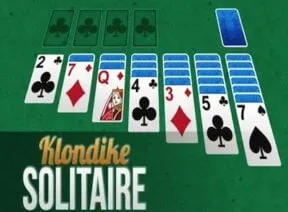




Card games are useful because they work at different speeds: you can play a short round during a break or take your time studying the layout when you feel like thinking. They often combine chance and calculation: the deal may be unpredictable, but the result depends on how the player uses the available cards. In solitaire games, the order of moves, revealing hidden cards and avoiding blocked future options all matter. In games with opponents, you need to watch not only your own hand, but also which cards have already been played, what decisions other players make and when it is better to save a strong move.
When choosing a card game, it is worth considering your mood and the time you have. For calm relaxation, single-player games without pressure are usually better, because every step can be thought through. If you want more tension, games with opponents, tricks, stakes or combinations are more engaging. Beginners benefit from starting with games where the goal is clear right away and the rules become easier to understand as the round develops. Experienced players often prefer games that require planning several moves ahead and judging risk. A good card game does not need haste: the more carefully the player reads the layout, the more often victory becomes the result of a decision rather than just a lucky deal.