


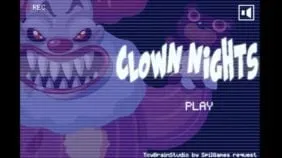
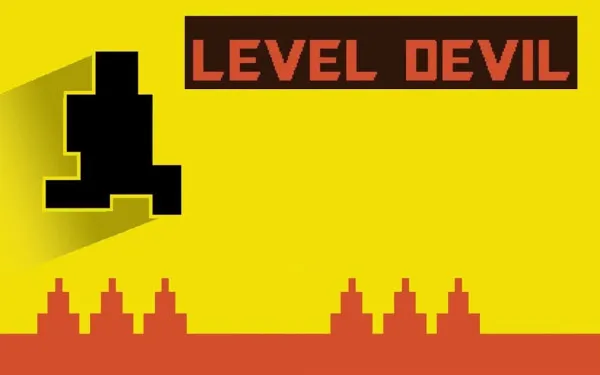


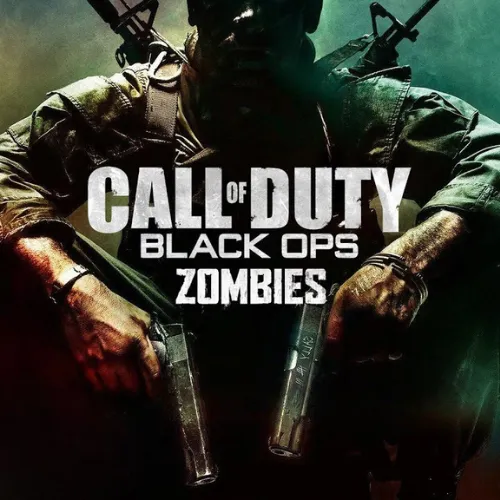
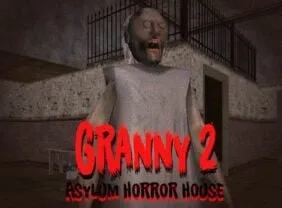


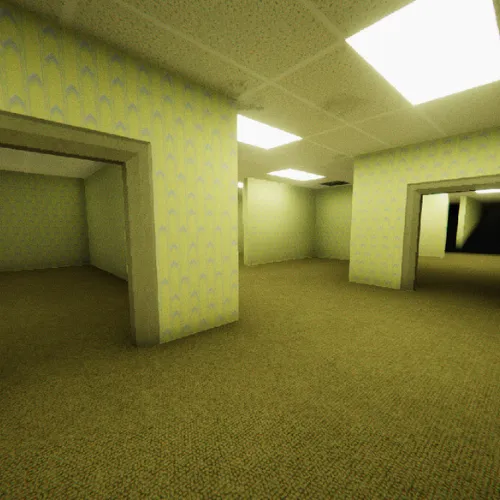
Horror games are interesting not only because they scare, but also because they test attention, memory, and the ability to read a situation. In this genre, tension often comes from a dark setting, unexpected sounds, limited resources, and the feeling that the player does not fully understand what is happening. Sometimes the main goal is to escape; in other cases, you need to hide, find a key, solve a puzzle, or look for a way out of a dangerous place. A good horror game builds fear not only with sudden jumpscares, but also with atmosphere, pacing, and careful player decisions.
When choosing a game in this category, it helps to look at the level of fear, the pace of the game, and how clear the goal is. Simple horror games are good for a short session: the rules are understood quickly, tension appears right away, and every attempt helps you remember a new detail. More complex versions may require learning the map, listening to sounds, watching enemy behavior, and saving resources. Beginners usually feel more comfortable with clear tasks and gentle difficulty. Experienced players may prefer more intense projects that combine hiding, exploration, and risky decisions.